

What if the biggest benefit of connecting SAP to Snowflake wasn't eliminating data pipelines, but making SAP business knowledge accessible to analytics, governance, and AI agents?
For years, integrating SAP data into modern cloud data platforms has been a familiar challenge. Extract source tables, replicate them, reconstruct business logic, maintain transformations, and keep everything synchronized.
In May 2026, the SAP Business Data Cloud (BDC) Zero-Copy Connector for Snowflake became generally available, introducing a different approach: bidirectional data sharing between SAP BDC and Snowflake without traditional data replication.
At first glance, this looks like another step towards reducing ETL complexity. But looking beyond data movement reveals something potentially more significant: the ability to bring SAP business context into Snowflake, making it available not only to analysts, but also to governance processes and AI-powered applications.
From data movement to data access
Traditional SAP integration typically involves extracting data from SAP source systems, loading it into a target platform, and implementing the transformations needed for reporting. The new zero-copy integration changes part of this architecture.
Organizations using SAP BDC can expose SAP data products directly in Snowflake through catalog-linked databases. These data products become queryable alongside existing Snowflake datasets, without requiring conventional replication pipelines.
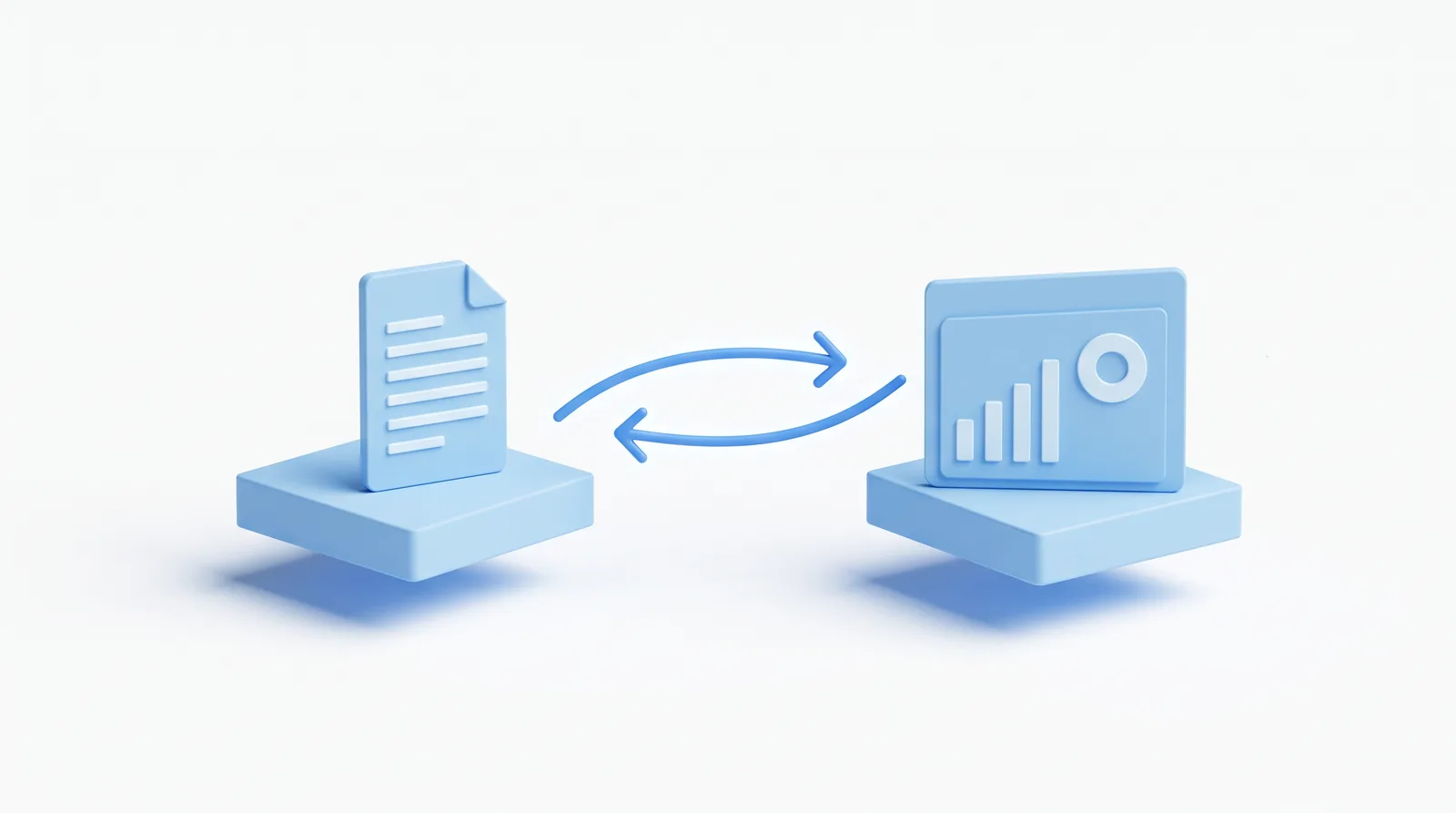
The integration also works in the opposite direction, allowing Snowflake data to be published back to SAP BDC. For organizations already running Snowflake and SAP BDC, this creates an opportunity to simplify data access while reusing existing investments in both platforms.
However, the real architectural value depends on what is being shared. A data product is more than a collection of tables. Ideally, it also provides a consistent representation of business entities and definitions.
And this is where the story becomes more interesting.
From raw data to business meaning: SAP metadata meets Snowflake Semantic Views
One of the most compelling capabilities of the integration is something that can easily be overlooked: the automatic generation of Snowflake Semantic Views from SAP metadata.
When a SAP data product is mounted as a catalog-linked database, Snowflake creates a dedicated read-only schema containing Semantic Views generated from SAP Core Schema Notation (CSN).
These views can describe business entities, relationships, and metrics, providing a semantic layer over the shared SAP data.
Why does this matter? Because giving an AI agent access to enterprise data is only half the challenge.
Consider a user asking: “What were our production costs by plant last quarter?”
An AI agent needs more than tables and column names to answer correctly. It needs to understand which entities represent plants, how production costs are defined, which relationships to use, and what business rules apply. Without this context, even technically valid SQL can produce misleading results.
Semantic Views help bridge that gap by providing structured business definitions that capabilities such as Snowflake Cortex Analyst can use to translate natural-language questions into analytical queries.
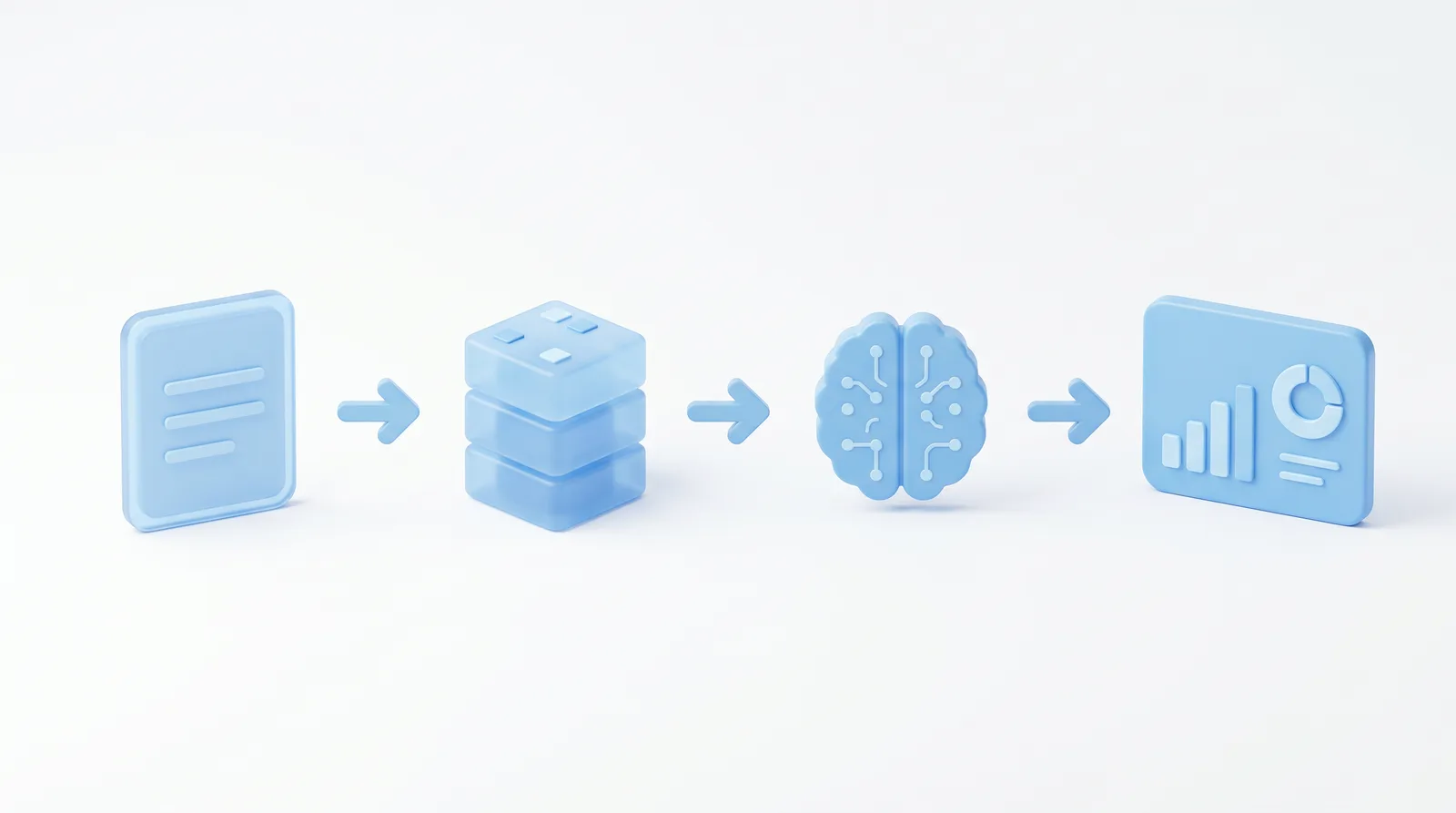
And because the SAP integration can generate an initial semantic layer from existing SAP metadata, organizations have a potential starting point rather than having to define everything from scratch. The value is no longer just accessing SAP data. It is making SAP business knowledge available to agentic AI.
That said, generated Semantic Views should be treated as a foundation, not a finished analytical model. They still need to be validated against actual reporting requirements, extended where necessary, and maintained as business definitions evolve.
From data integration to governance by design
There is another important aspect of the integration: the ability to carry certain data protection metadata into Snowflake.
Columns identified as personally identifiable information (PII) through SAP CSN annotations are automatically tagged when a catalog-linked database is created. Snowflake also attaches a masking policy to the PII tag, masking query results by default unless the appropriate unmasking access is granted.
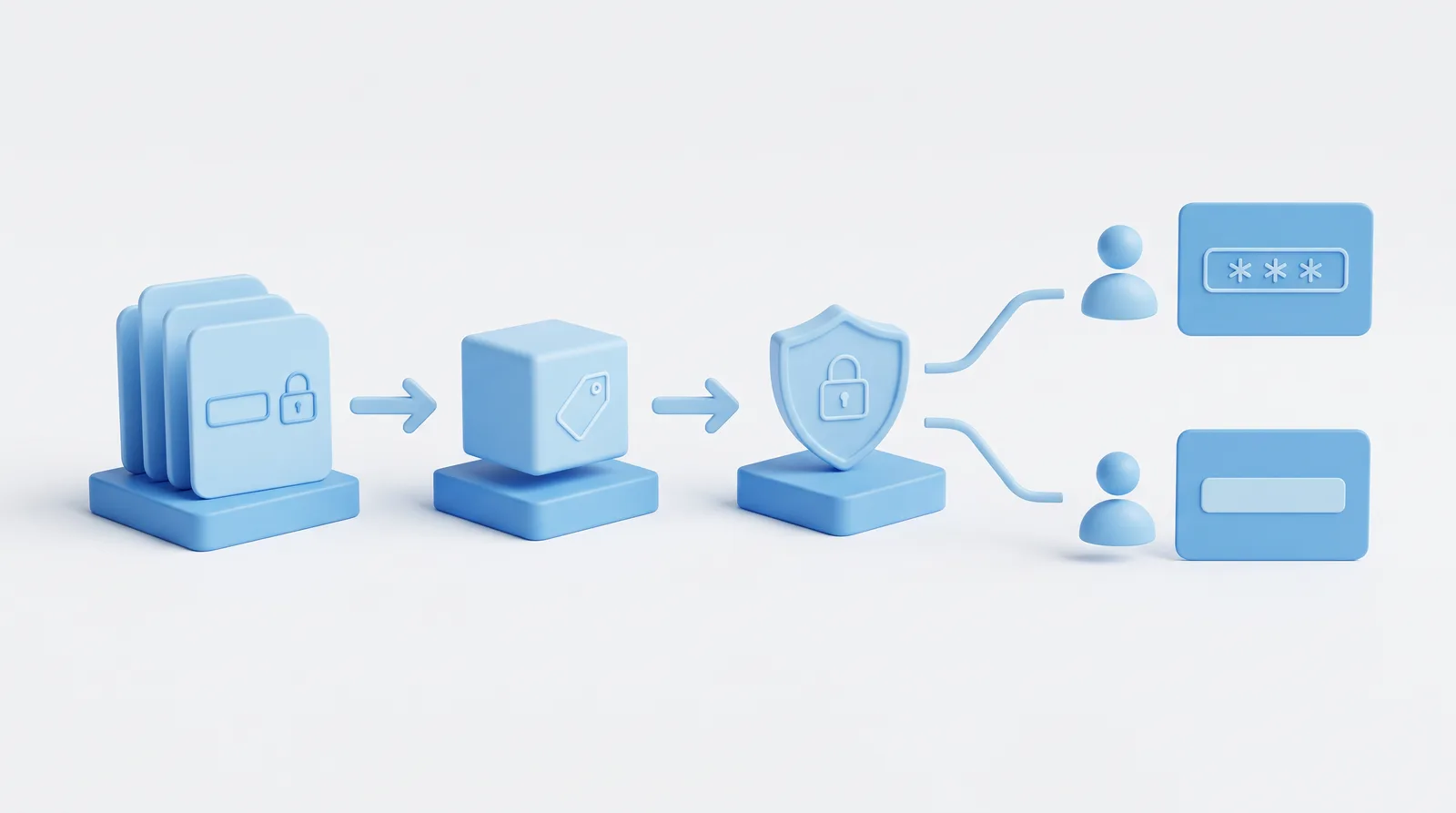
This is particularly interesting in enterprise environments where sensitive SAP data is consumed by multiple analytical teams and applications.
Traditionally, bringing data into a new platform often means recreating classifications, configuring access controls, and implementing protection policies in the target environment. With metadata-driven integration, some of these controls can be established as part of the data consumption process itself.
The benefits extend beyond traditional analytics. As AI agents become consumers of enterprise data, consistent classification and access controls become increasingly important. An agent should not gain access to sensitive information simply because it can generate SQL or navigate a semantic model.
Governance should follow the data into AI workflows, not be reconstructed after the fact.
Of course, automatically generated protection policies do not eliminate the need for governance validation. Their effectiveness depends on the completeness and accuracy of source metadata, as well as the permissions configured in the target environment.
But the direction is promising: less manual reconstruction of governance and more reuse of existing enterprise context.
From data platform to enterprise context layer
The SAP integration also fits into a broader direction in which Snowflake is evolving. With Horizon Context, Snowflake is expanding its catalog capabilities beyond objects stored directly in Snowflake.
The October 2026 preview introduced metadata connectors for external platforms, including Power BI, Tableau, dbt, Databricks, BigQuery, SQL Server, and others. This allows organizations to discover and explore external assets, work with their metadata, and trace supported lineage relationships across systems.
The distinction is important. SAP BDC zero-copy integration provides access to shared data products and their business metadata. Horizon Context focuses on collecting, organizing, and enriching metadata across a wider enterprise ecosystem. These are different capabilities, but they point towards a common architectural vision.
Snowflake is increasingly becoming a place where organizations can discover what data exists, understand what it means, trace where it comes from, and make that context available to analytics and AI. The data itself does not necessarily need to reside in Snowflake for its metadata to become discoverable through the platform.
This suggests a future in which Snowflake serves not only as a data processing platform, but also as an increasingly important enterprise context layer. It is not yet a universal governance control plane for every connected system. External metadata visibility does not automatically imply enforcement of security policies in those external platforms.
Nevertheless, the direction is clear: enterprise data platforms are moving beyond storage and compute towards managing the context that makes data useful and trustworthy.
A perspective from a real SAP-to-Snowflake project
At UD4D, we have experienced firsthand why business context matters in SAP integration.
In a recent project for a global pharmaceutical company, we automated 27 daily SAP extracts and rebuilt the business logic of nine SAP transactions in Snowflake. The challenge was not simply extracting and loading data. It was understanding how SAP transactions translated source data into meaningful business outputs, then reproducing that logic reliably in the target platform.
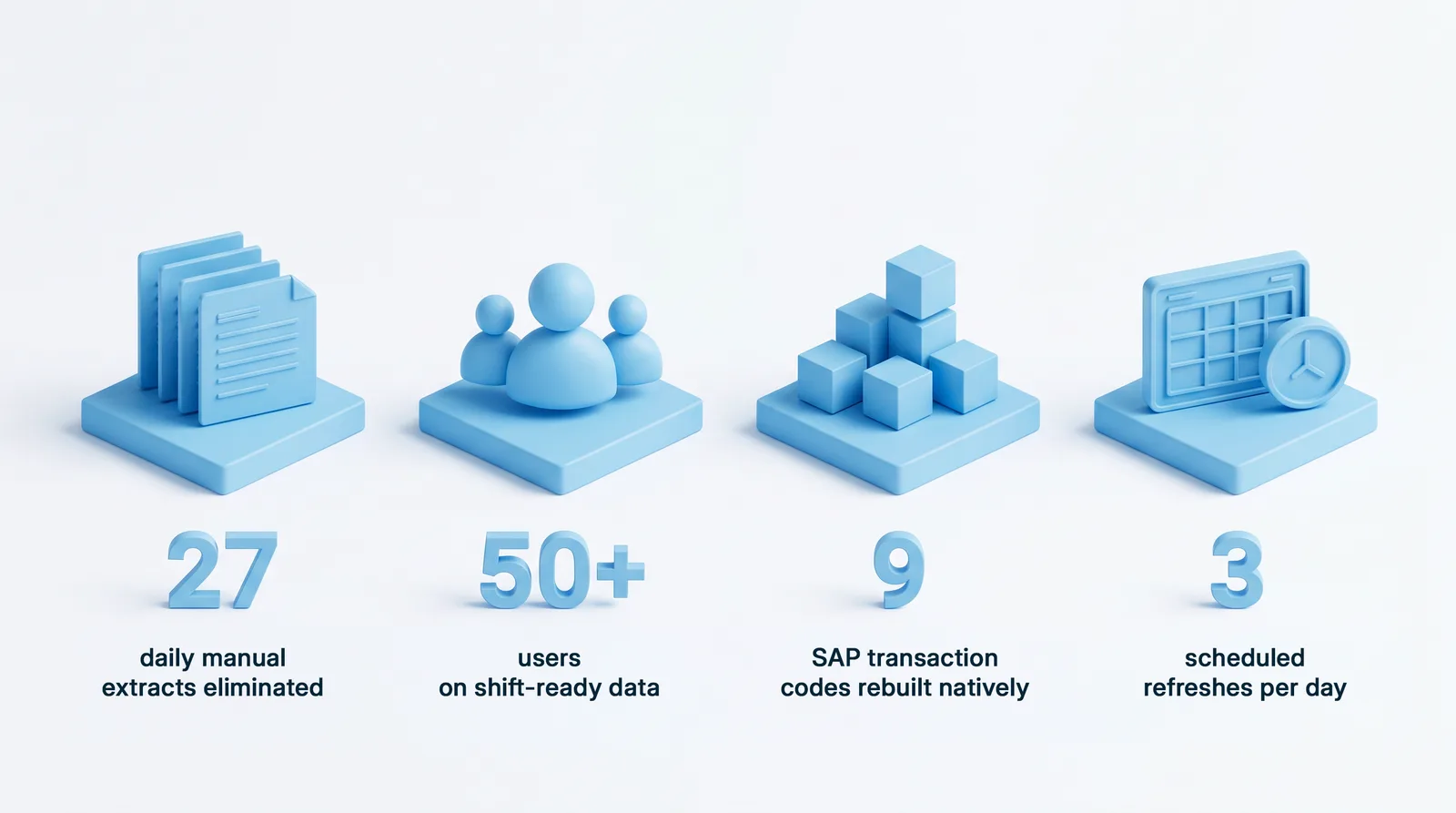
The new SAP BDC integration raises an interesting question: How much of that work could be avoided if the required SAP data products and their business definitions were already available for consumption in Snowflake?
The answer depends on the use case. Standardized SAP data products may significantly reduce the need to reconstruct existing business semantics. But customer-specific processes, custom transaction logic, and specialized reporting requirements can still require additional engineering.
What the project demonstrates is the importance of understanding the business meaning behind the data — exactly the challenge that metadata-driven integration is beginning to address.
Zero-copy doesn’t mean zero engineering
The SAP BDC integration is a meaningful step forward, but it is not a universal replacement for data engineering.
Organizations still need to evaluate whether the required SAP data products are available, whether their semantics match business requirements, and how they fit into the broader data architecture. They also need to consider platform prerequisites, governance responsibilities, operational requirements, and total cost of ownership.
For organizations already using SAP BDC and Snowflake, native sharing may offer a compelling way to simplify integration and accelerate the delivery of analytical and AI use cases.
For organizations without SAP BDC, adopting the platform solely to replace existing extraction pipelines requires a more comprehensive assessment.
And even when data products and Semantic Views are generated automatically, someone still needs to validate their correctness, extend their definitions, and maintain them over time.
Business context isn’t automatically business correctness.
That distinction becomes even more important when AI agents begin making analytical decisions based on semantic models.
Conclusion: The future is about context, not just connectivity
For years, the central question in enterprise data integration was how to move data reliably from one system to another. Zero-copy architectures are beginning to change that conversation.
The more interesting question is how to make enterprise data accessible together with the meaning, relationships, and governance information required to use it responsibly.
SAP BDC Connector for Snowflake is one example of this shift. By combining native data access, metadata-driven Semantic Views, and data protection capabilities, it opens opportunities that extend well beyond traditional ETL optimization.
And alongside developments such as Horizon Context, it illustrates a broader evolution of modern data platforms: from storing and processing information towards helping organizations understand and activate their enterprise data estate.
The next competitive advantage may not come from moving data faster, but from making its business context reusable, governed, and ready for AI.
Frequently asked questions
What is the SAP BDC Zero-Copy Connector for Snowflake?
Generally available since May 2026, the connector enables bidirectional data sharing between SAP Business Data Cloud and Snowflake without traditional replication. SAP data products can be accessed through catalog-linked databases and queried alongside existing data in Snowflake.
Why do Semantic Views generated from SAP metadata matter for AI?
To interpret business questions correctly, AI needs more than table and column names. It also needs to understand business entities, their relationships, and how metrics are defined. Semantic Views generated from SAP Core Schema Notation (CSN) metadata provide this context to tools such as Snowflake Cortex Analyst, which uses it to translate natural-language questions into analytical SQL queries.
How does SAP BDC–Snowflake integration help protect sensitive data?
Columns annotated as personally identifiable information (PII) in SAP CSN are automatically tagged when a catalog-linked database is created. Snowflake attaches a masking policy to the PII tag, masking sensitive values by default unless the appropriate unmasking access is granted. This reduces the need to recreate certain data protection controls in the target platform. Masking also applies to queries issued by AI applications, based on the permissions used to access the data. Its effectiveness still depends on the accuracy and completeness of the source metadata and the permissions configured in Snowflake.