Consolidating 100+ reports from legacy systems into one automated, multi-country data warehouse
We replaced an obsolete, unsupported data warehouse with a single model-driven platform, automating development with WhereScape and rolling it out across six Central European markets.
About the client
Leading pan-European insurance group, delivering actuarial, finance, operations, and sales & marketing reporting across multiple Central European markets.
The challenge
The client needed to replace an obsolete, unsupported DWH system with a single standardized platform, without disrupting regulatory, actuarial, or commission reporting.
- Report requests took an average of 1.5 years to fulfill, and outputs were not trusted due to data quality issues
- The obsolete DWH system on unsupported software had fragmented into four disconnected reporting stacks serving Actuaries, Finance, Operations, and Sales & Marketing, covering 100+ reports, with no shared architecture or documentation
- Uncontrolled environment changes caused dozens of SLA-breaching incidents, while uncontrolled access created data leakage and account-compromise risk
- The replacement had to be highly mutualized and cost-effective enough to roll out to up to 6 Central European countries within a limited budget and timeframe

The solution
UD4D was involved in the technical development of a Model-Driven Architecture, replacing manual development with WhereScape-based automation across the full warehouse stack.
- Assembled a cross-functional senior architecture team spanning requirements, data, DWH, technical, process, security, model-driven, and automation roles
- Built a layered architecture (Landing Zone, ODS, a standardized and enriched Core, and Data Marts) governed by data- and information-support layers
- Used WhereScape 3D to model and generate Landing Zone and ODS objects, history tables, surrogate keys, and documentation directly from metadata instead of hand-coding them
- Fed that same 3D metadata into WhereScape RED to auto-generate data-quality procedures, keeping DQ logic model-driven rather than hand-scripted
- Defined and templated the Core structures so the same standardized model could be replicated for each new market rather than rebuilt from scratch
- Rolled the platform out country by country (starting with Slovakia, then Bulgaria, Austria, Hungary, Romania, Czech Republic), each on its own ODS, Core, and Data Mart databases generated from the same 3D model and orchestrated with the WhereScape scheduler
Business impact
-
100+
reports consolidated
Disconnected legacy systems serving Actuaries, Finance, Operations, and Sales & Marketing were unified onto one standardized, governed platform.
-
1
platform replaced the legacy systems
A single model-driven data warehouse now serves all reporting domains.
-
6
build steps automated end-to-end
DB objects, DQ checks, history tables, surrogate keys, procedure layout, and documentation are generated straight from the model, with minimal manual coding.
-
6
countries, one model
The architecture was designed to scale across 6 Central European markets from a single reusable model.
Frequently asked questions
What did the client need?
The client needed a single standardized replacement for an obsolete, unsupported data warehouse. The new platform had to preserve regulatory, actuarial, and commission reporting without disruption. It also needed to scale cost-effectively to up to 6 Central European countries.
How did UD4D deliver it?
UD4D assembled a cross-functional senior architecture team and built a Model-Driven Architecture on WhereScape. The resulting warehouse consists of Landing Zone, ODS, Core, and Data Marts. Objects, history tables, surrogate keys, data-quality procedures, and documentation are generated from metadata instead of being hand-coded.
How does WhereScape reduce manual development?
WhereScape 3D models and generates Landing Zone and ODS objects, history tables, surrogate keys, and documentation directly from metadata. The same metadata then feeds WhereScape RED, which auto-generates data-quality procedures. This keeps both the warehouse structure and DQ logic model-driven rather than hand-scripted.
What were the results?
More than 100 reports across four business domains were consolidated onto one platform. Six build steps are now automated end-to-end. The same reusable model is being rolled out country by country across Slovakia, Bulgaria, Austria, Hungary, Romania, and the Czech Republic.
Related case studies
-
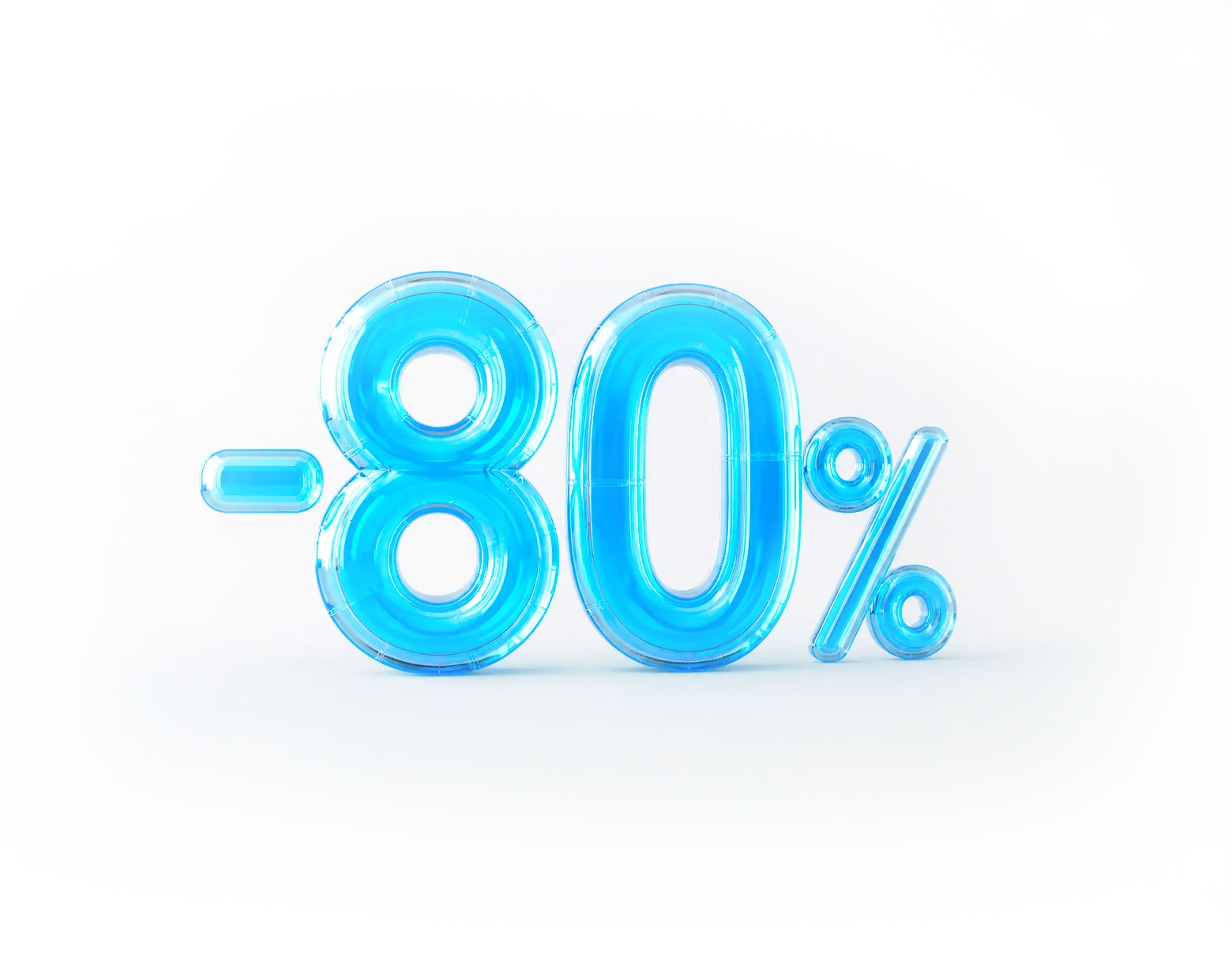 Case study Pharma
Replacing a fragmented legacy landscape with a single governed cloud data hub
We moved a fragmented legacy landscape onto one governed cloud hub, standardizing how data is modeled, deployed and governed.
Explore -
 Case study Manufacturing
Migrating 40,000+ data objects from WhereScape to dbt in six months
We replaced a legacy WhereScape data-warehouse automation platform with dbt. Using an automated, Python-based framework, we migrated 40,000+ database objects 1:1 in six months, with no downtime and the Data Vault model fully preserved.
Explore